

ICN at CSW70: Violence against nurses is a gendered crisis threatening global health
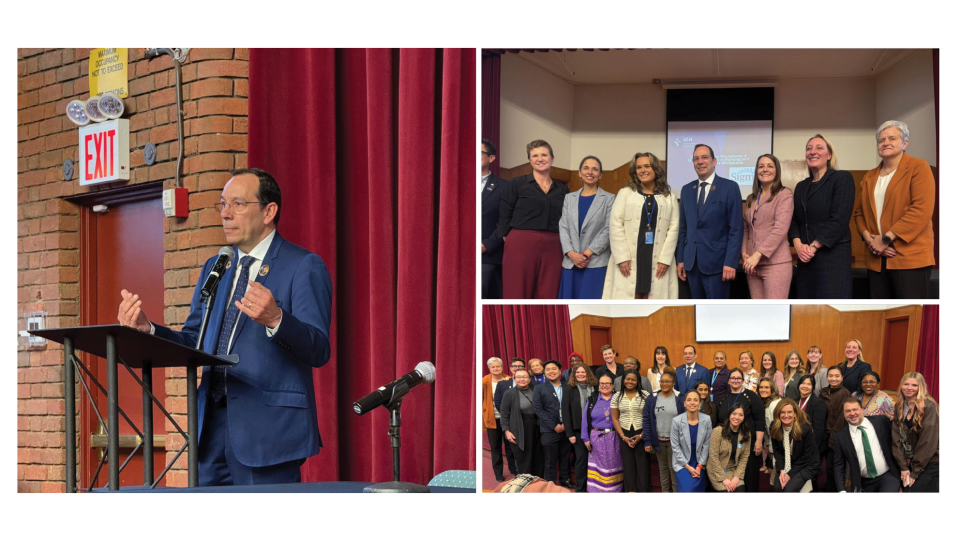
The International Council of Nurses (ICN) has warned that violence against nurses is a global gendered crisis that threatens health systems, patient safety and workforce sustainability.
Speaking at a United Nations Commission on the Status of Women (CSW70) parallel session, ICN President Dr José Luis Cobos Serrano called for urgent action to address workplace violence affecting nurses and other women-dominated professions.
The ICN session, co-hosted with Sigma Theta Tau International and SONSIEL, brought together global experts to examine the scale, causes and solutions to violence in health care workplaces.
Dr Cobos Serrano highlighted that nursing is overwhelmingly female, with women making up 85% of the workforce, and said its historic classification as “women’s work” has contributed to persistent undervaluation, lower pay and limited leadership opportunities.
He pointed to alarming data showing the scale of the problem: 86% of nurses report violence from patients or the public, while more than two-thirds experience violence from colleagues. Workplace violence, he said, is closely linked to gender inequities, unsafe working conditions and staffing shortages.
“Creating safe workplaces free from gender-based violence is essential for workforce sustainability,” he said.
Dr Cobos Serrano also warned that violence is escalating in conflict settings, where attacks on health workers are increasingly used as a weapon of war. He highlighted ICN’s advocacy at the highest levels and its #NursesforPeace initiative supporting nurses in crisis-affected regions.
The consequences, he said, are severe and far-reaching. Violence contributes to burnout, absenteeism and staff shortages, while also increasing risks to patient safety and quality of care. It is also driving nurses out of the profession, worsening global workforce gaps.
Closing the session, Dr Cobos Serrano emphasized that protecting nurses is fundamental to stronger health systems.
“Protecting nurses and frontline workers is essential not only for their safety, but also for economic stability, societal well-being, and the quality-of-care patients receive,” he said.
He highlighted three key priorities: advancing gender equity, strengthening nursing leadership, and ensuring that protecting nurses is recognized as essential to protecting patients.
Dr Cobos Serrano called for concrete measures, including zero-tolerance policies on workplace violence, improved security and prevention systems, mental health support for affected staff, and stronger protection of health workers in conflict zones.
“Nurses are one of the most trusted professional groups in society,” he said. “When we protect them, we enable them to improve health for all.”
ICN also highlighted upcoming engagements at CSW70 and invited participants to the ICN NP/APN Network Conference in Nashville (September 2026) and the ICN Congress in Taipei (July 2027).
Dr Cobos Serrano will continue to advance these themes later this week at another CSW70 parallel session on “Innovating for equity: Global standards and career advancement for health professions,” where he will emphasize the importance of strengthening the global health workforce through career development, skills recognition and leadership. He is expected to highlight the critical role of nurses in advancing gender equity, closing leadership gaps and driving digital health transformation, stressing that empowering nurses is essential to building more resilient, equitable health systems worldwide.